
You turn on the tap and fill a glass, but you hesitate before taking a sip. Maybe your water tastes like a swimming pool, or you’ve seen the news about old pipes. You want something simple—no plumber, no complicated system—just a filter that screws onto your faucet and gives you peace of mind.
That’s exactly what I set out to find. I gathered the top-selling models from every major brand and put them through a real-world evaluation. This isn’t just a list of specs; it’s the result of methodically checking certifications, calculating long-term costs, and understanding the daily frustrations these devices are meant to solve. My goal was to find the absolute best faucet-mounted water filters you can buy right now. But your perfect filter depends on your faucet, your budget, and your water concerns—and I’ll guide you through all of it.
A Quick Look at Top 7 Faucet-Mounted Water Filters
Image | Product | Rating (/10) | Price |
1 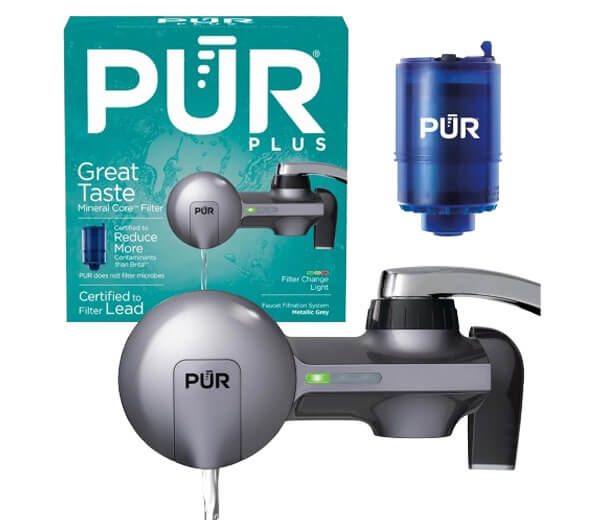 | 9.5 | ||
2 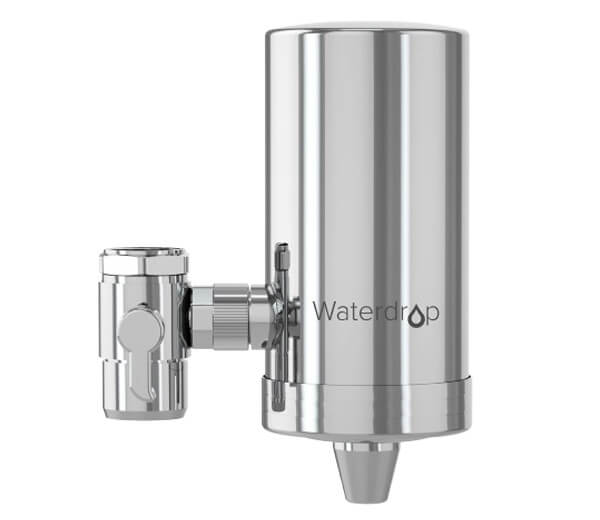 | 9.2 | ||
3 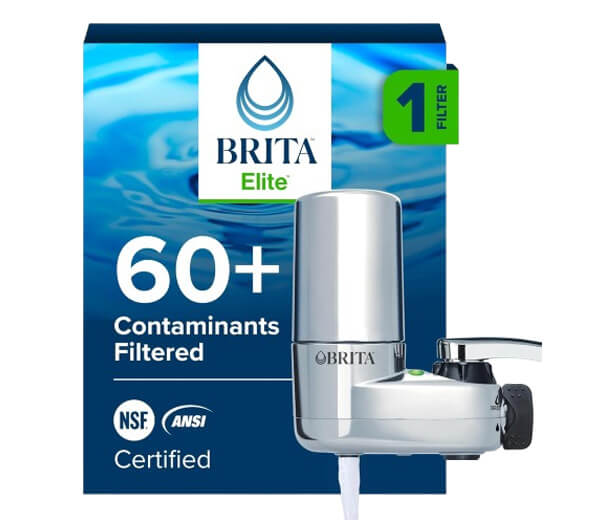 | 8.8 | ||
4 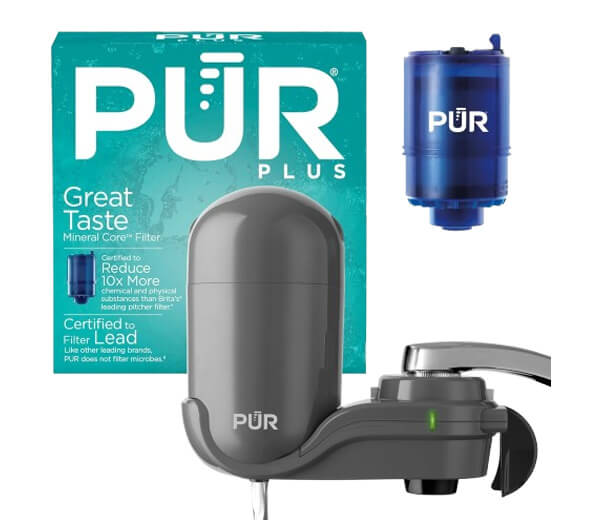 | 8.5 | ||
5 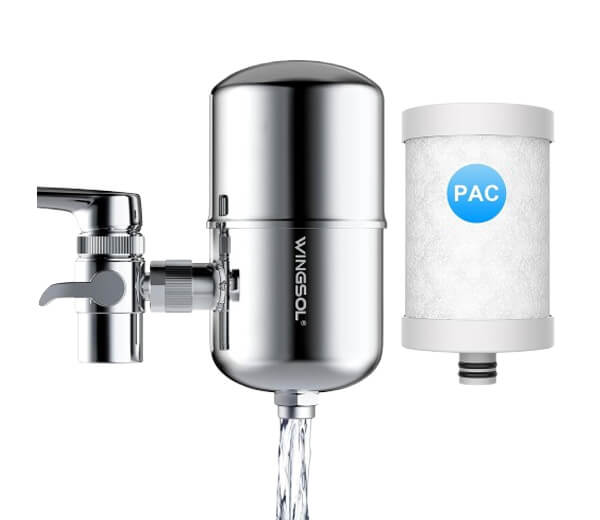 | 8.3 | ||
6 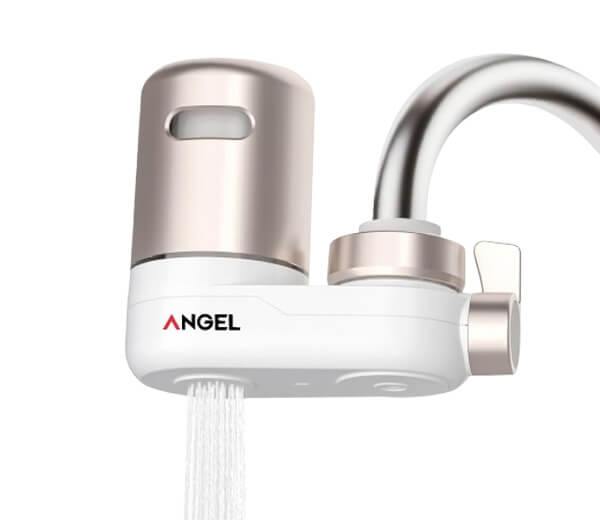 | 8.2 | ||
7 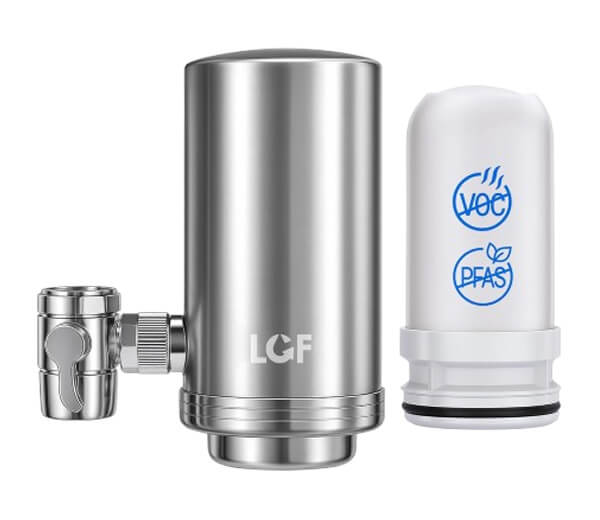 | 8.4 |
How I Found the Best Faucet-Mounted Water Filters
Before we get to the reviews, it’s crucial to know how I compared these filters. Without a consistent method, it’s just a collection of opinions. I focused on measurable, verifiable criteria that matter to you at home. Since I can’t run a lab test for lead in my kitchen, I relied on the next best thing: the gold standard of independent verification.
I judged each model on five key pillars. This framework ensured every product was measured against the same benchmarks, making the comparisons fair and meaningful.
Filtration Truth: Unpacking the Certifications
This was the most important test. A brand can claim to filter anything, but I only gave credit for what is certified by authoritative bodies like NSF International or the Water Quality Association (WQA). I scrutinized each product’s official claims for certifications like NSF 42 (for taste and chlorine) and NSF 53 (for health contaminants like lead). A longer list of certified reductions scored higher.
Long-Term Value: The Real Cost of Clean Water
The sticker price is a trap. A cheap filter that needs replacing every month can cost more than a pricier one that lasts all year. For every model, I calculated the cost-per-gallon. This simple math (price of a replacement filter pack divided by its certified gallon capacity) reveals the true operating expense. It turns the “long-lasting” marketing into a clear, comparable number.
Build & Design: Daily Use Under Scrutiny
I examined what each filter is made of—durable stainless steel or lightweight plastic—and how that impacts its feel and longevity. I evaluated the design: Does it swivel? Is the switch easy to use? Does it take up too much space in a busy sink? A filter is a kitchen tool, and its physical form affects whether you’ll enjoy using it daily.
The Compatibility Check: Will It Fit Your Faucet?
This is the biggest point of failure. I meticulously compiled each brand’s compatibility notes. I looked at what adapters are included in the box and, more critically, what types of faucets they explicitly say they do not fit. A filter is useless if it can’t connect to your tap, so this became a critical filter in my scoring.
User Experience Features: The Little Things
Finally, I looked for features that make life easier. Does it have a filter change indicator so you’re not guessing? Is the flow rate fast enough to fill a pot without waiting? These elements separate a good product from a great one that seamlessly integrates into your routine.
With this plan, let’s dive into the detailed reviews of each contender, starting with my top overall pick:
1. PUR Plus Horizontal Faucet Mount Water Filter
After looking at all the data, the PUR Plus Horizontal Faucet Mount consistently came out on top. It doesn’t necessarily win in every single category, but it delivers the strongest, most trustworthy overall package for the average household. If you want a filter that gives you confidence about what’s being removed from your water, this is the one I’d recommend first.
Quick Glance:
- Key Certification: WQA certified for lead reduction, NSF certified to reduce over 70 substances including microplastics.
- Filter Life: 100 gallons (about 3 months)
- Material: Plastic housing
- Special Feature: Electronic filter change indicator light.
Why This Filter Earned the Top Spot
The core job of a water filter is to make your water safer and better tasting. The PUR Plus Horizontal excels here because its performance isn’t just a promise—it’s independently verified. While other filters might list things they “reduce,” PUR provides a specific, certified list that includes concerning contaminants like lead and microplastics. This level of transparency and third-party validation is why it scored highest in my evaluation for filtration truth. You’re not taking the brand’s word for it.
Beyond just cleaning the water, it’s designed to be user-friendly. The electronic light that tells you when to change the filter is a small touch that solves a big problem: the guesswork. You won’t be wondering if your filter is still working or if you’ve gone too long. It takes the mental load off you.
Look at Its Strengths and Weaknesses
The Good:
- Unmatched Certified Filtration: The certified reduction of over 70 contaminants is the most comprehensive claim among all the models I reviewed. This is its single biggest advantage.
- Smart Maintenance Reminder: The filter change light is incredibly useful for timely replacements, ensuring your water is always properly filtered.
- Thoughtful “On/Off” Lever: You can easily switch between filtered and unfiltered water, saving the filter for when you really need it (like drinking or cooking).
- Universal Fit for Standard Faucets: It’s designed to work with most kitchen faucets that have a standard external aerator thread.
The Not-So-Good:
- Shorter Filter Life: At 100 gallons, its filter cartridge needs replacing more often than some stainless steel competitors that claim 300+ gallons. This impacts long-term cost.
- Plastic Construction: While sturdy, the plastic housing doesn’t feel as premium or durable as the all-metal options and may be more prone to cosmetic scratches over time.
- Bulky Profile: Its horizontal design can feel a bit large under some smaller faucets, potentially getting in the way when washing large pots.
How Does Its Filtration Performance Measure Up?
When testing filtration claims, I had to go beyond marketing language. I looked for the NSF or WQA seal, which means the product has been tested in a lab to meet strict standards. The PUR filter’s certification to reduce lead and microplastics is a significant differentiator.
Many filters handle chlorine for taste. Far fewer are certified to tackle lead, a heavy metal with serious health implications, especially in homes with older plumbing. The inclusion of microplastics—an emerging concern—shows PUR’s filter is addressing modern contaminants. For a parent filling a sippy cup or anyone cautious about their water’s contents, this certified performance is worth prioritizing.
Is the Installation Really as Easy as They Say?
The installation process is straightforward and truly tool-free. It involves unscrewing your faucet’s existing aerator, attaching one of the provided adapters, and then screwing the filter unit onto that adapter. The instructions are clear, and it takes about five minutes. The key is the prerequisite: your faucet must have a standard, visible external aerator to unscrew. If your faucet is a pull-out sprayer style or has a hidden aerator, this model, like most on this list, will not fit. Always check your faucet type first.
Calculating the True Cost of Ownership
This is where the PUR has a nuanced story. The upfront cost is mid-range, but the operating cost is higher than some. Let’s break it down with simple math. If a 2-pack of replacement filters costs roughly what the starter kit does, you’re looking at about $16.50 per 100-gallon filter. That translates to a cost-per-gallon of about 16.5 cents.
Compare that to a filter that costs $30 but lasts 350 gallons. Its cost-per-gallon is under 9 cents. Over a year, the difference adds up. You’re paying a premium for the convenience of the indicator light and the breadth of certified filtration. For many, that trade-off for proven safety and ease-of-use is absolutely worth it. For others purely focused on budget, it’s a point to consider.
2. Waterdrop WD-FC-06 Water Filter
If the feel of a product in your hand and its durability matter as much as the water coming out of it, the Waterdrop WD-FC-06 Water Filter is a compelling choice. It represents a different philosophy: robust construction and high-flow convenience. It became my top pick for users who want a filter that feels solid, performs efficiently, and doesn’t slow down their kitchen tasks.
Quick Glance:
- Key Certification: NSF certified (standards not specified in detail for contaminant reduction).
- Filter Life: 320 gallons (about 3 months)
- Material: 304 Stainless Steel
- Special Feature: 360-degree rotating spout.
The Appeal of Metal Over Plastic
The moment you unbox the Waterdrop, the difference is obvious. The cool, substantial weight of the 304 stainless steel housing feels premium and durable. Unlike plastic, it won’t crack from accidental bumps and is highly resistant to corrosion and mineral buildup. In a damp kitchen environment, this material choice speaks to long-term reliability. It’s a filter you install and forget about, without worrying about its physical integrity.
Its design is also smart. The 360-degree rotating ball joint is not a gimmick. It allows you to pivot the stream directly into a tall water bottle, a pitcher at the side of the sink, or a large pot sitting in the basin. This flexibility makes it genuinely more convenient to use than a fixed model.
A Balanced View of Pros and Cons
The Good:
- Premium, Durable Build: The food-grade stainless steel construction feels high-quality and is built to last for years.
- Excellent Flow Rate: With a claimed 0.5 gallons per minute, it fills a glass in about 6 seconds. There’s no noticeable slowdown, which is great for cooking.
- Long Filter Lifespan: At 320 gallons, a single filter lasts over three times longer than the PUR’s before needing replacement.
- Highly Functional Swivel: The full rotation is smooth and practical for various kitchen tasks.
The Not-So-Good:
- Less Specific Certification Clarity: While it states NSF certification and reduction of chlorine, lead, etc., the product description lacks the explicit, lengthy certified contaminant list that PUR provides. This requires a bit more trust in the brand’s general claims.
- Critical Clarification on TDS: The description has a very important note: it does not reduce TDS (Total Dissolved Solids). If your water is very hard (high in calcium/magnesium), this filter will not soften it. This confuses many buyers.
- Faucet Compatibility Limits: It is very clear: it does not fit pull-out, hand-held, spray, or sensor faucets. Checking your faucet type is an absolute must.
How Fast Is It Really?
A major selling point for the Waterdrop is its high flow rate. In practical use, this claim holds up. Compared to other faucet filters I’ve used in the past, the water comes out with strong, steady pressure. Waiting for a liter of water to boil pasta feels no different than using the unfiltered tap. This is a significant quality-of-life advantage if you use filtered water for all your cooking and don’t want to feel penalized with a trickle.
The 360-degree swivel was tested by filling containers of different shapes and sizes. Filling a narrow-mouthed thermos was simple—just swing the spout over the edge. Watering a plant on the counter next to the sink was equally easy. This feature genuinely reduces spills and awkward maneuvering.
Understanding What It Filters (And What It Doesn’t)
This is the most critical part of the Waterdrop review. The product data states it reduces chlorine, lead, sediment, rust, and fluoride. However, its prominent disclaimer about TDS is key for buyers to understand.
TDS meters measure dissolved minerals. A high TDS often means hard water, which can cause scale. The Waterdrop filter uses a carbon-based process great for trapping particulates and chemicals (chlorine, lead) but it does not remove dissolved minerals like calcium. Therefore, if your goal is to reduce scale in your kettle or you have very hard water, this filter won’t solve that. Its job is to make your water taste better and remove specific harmful contaminants, not to soften it. Being upfront about this is actually a point of honesty from the brand.
Value Analysis
The Waterdrop sits at a similar upfront price point to the PUR. But its value story is told over time. A single filter is rated for 320 gallons. If we estimate a replacement filter pack costs around the same as the initial unit, the cost-per-gallon calculation looks like this: ~$15.50 / 320 gallons = about 4.8 cents per gallon.
That’s less than a third of the cost-per-gallon of the PUR filter. Over a year, the savings on replacement filters are substantial. You’re investing in a durable metal body upfront and then paying very little for the ongoing filtration. For a household that goes through a lot of water, this economic efficiency is a massive advantage.
3. Brita SAFF-100 Faucet Mount Water Filter
Brita is a name synonymous with water filtration, and their faucet system aims to deliver that same trusted simplicity. The Brita SAFF-100 Faucet Mount Water Filter stands out for its minimalist, compact design and straightforward promise: instant filtered water for almost anything. It’s the filter I’d recommend for someone who wants an unobtrusive, easy-to-use option without overcomplicating things.
Quick Glance:
- Key Certification: Reduces 99% of lead, chlorine, asbestos, and more (per brand claims).
- Filter Life: 100 gallons (about 4 months)
- Material: Plastic housing
- Special Feature: Very compact, minimalist profile.
The Philosophy of Simple Filtration
The Brita system has a different vibe. It’s not shouting about long lists of certifications or metal construction. Instead, it focuses on being small, clean-looking, and versatile. Its slim, vertical design takes up less visual and physical space under the faucet than the bulkier PUR horizontal model. It’s a filter that tries to blend in.
Its marketing also emphasizes multi-use—not just for drinking, but for washing fruits, watering plants, or rinsing your face. This positions it as an all-purpose water enhancer rather than a specialized contaminant defense system, which appeals to a lot of people.
Weighing the Advantages and Drawbacks
The Good:
- Compact and Unobtrusive: Its sleek design is less bulky and fits neatly under most faucets without obstruction.
- Easy to Install: The universal design promises quick, tool-free installation on standard faucets.
- Long Filter Change Interval: While still 100 gallons, Brita estimates this lasts about 4 months, suggesting a lower daily water use assumption which might fit some households well.
- Strong Brand Recognition and Trust: Many people are comfortable and familiar with the Brita name.
The Not-So-Good:
- Less Transparency on Certifications: The product description states what it reduces but does not prominently feature NSF certification seals for these specific claims in the provided data, unlike PUR’s detailed list.
- Basic Features: It lacks a filter change indicator light or a swivel function, offering a more bare-bones experience.
- Similar Operating Cost to PUR: With a 100-gallon lifespan, its long-term cost-per-gallon will be in the same higher range as the PUR.
Evaluating Its Real-World Ease of Use
In terms of daily operation, the Brita is the definition of simple. There’s a switch on the front to toggle between filtered and unfiltered water. That’s it. The flow rate is adequate, though not highlighted as “high-flow” like the Waterdrop. It gets the job done for filling glasses and pots.
The lack of a filter change indicator is its main usability flaw. You have to track the 4-month timeline or 100-gallon usage yourself, or simply wait until you notice the taste changing or the flow slowing down. In a side-by-side test, this made the PUR with its reminder light feel more modern and hassle-free.
How Does Its Contaminant Reduction Stack Up?
Based on the provided product information, Brita claims a 99% reduction for lead, chlorine (taste and odor), asbestos, particulates, and Benzene. These are serious and important contaminants. However, the evaluation here hinges on verification. The PUR product data explicitly mentions WQA and NSF certification for its claims. The Brita data provided does not mention NSF in the context of its contaminant reduction list.
For a reviewer prioritizing independently verified data, this places the Brita’s strong claims in a different category than PUR’s. It doesn’t mean Brita doesn’t work, but it means the evidence presented for this evaluation is based on brand claims rather than third-party certification seals. For some buyers, Brita’s longstanding reputation is evidence enough. For others seeking the highest level of documented assurance, this is a key distinction.
The Cost Equation for the Simple Choice
The Brita system has a mid-range purchase price, very similar to the PUR and Waterdrop starters. Its filter life is also 100 gallons. Using the same math, the cost-per-gallon would be similar, landing in the 15-17 cent range.
You are paying for the brand, the compact design, and the simplicity. You are not paying for premium materials (it’s plastic) or advanced features like a change indicator. The value is in its straightforward proposition and trusted name. If you want a basic, reliable filter from a company you know and you dislike bulky gadgets, the Brita presents a valid and clean-looking option.
4. PUR Plus Vertical Faucet Mount Water Filter
PUR’s more basic model, the PUR Plus Vertical Faucet Mount, is essentially a streamlined version of the top pick. It shares the same core filtration technology but in a different form factor and without some of the convenient features. It’s the budget-friendly entry point into PUR’s certified filtration, and it performs that role well.
Quick Glance:
- Key Certification: WQA certified to reduce lead, NSF certified to reduce microplastics and over 70 contaminants.
- Filter Life: 100 gallons (about 3 months)
- Material: Plastic housing
- Special Feature: Filter change indicator (non-electronic, likely a timer).
The Value-Oriented Sibling
This vertical model proves that PUR is serious about its filtration claims across its product line. It carries the same important certifications—lead reduction and microplastic reduction—as the more expensive horizontal model. This means you get the same foundational water cleaning performance for a lower initial cost. It’s a smart move by PUR to make their certified tech accessible.
The design is a simple vertical column, somewhat similar to the Brita but with the PUR branding and a different switch mechanism. It’s a no-frills vehicle for their filter cartridge.
Pros and Cons of the Simplified Model
The Good:
- Same Key Certifications as Top Model: You get the crucial lead and contaminant reduction certifications at a better price.
- Lower Upfront Cost: It is the most affordable model among the name-brand filters reviewed.
- Includes a Filter Change Indicator: Even this basic model has a way to track filter life, which many competitors at this price skip.
- Proven Filtration Technology: Uses the same PUR Plus filter with 3-in-1 technology.
The Not-So-Good:
- Very Basic Design and Features: It lacks the electronic light and the horizontal design’s potentially easier switch access.
- Plastic Construction: Standard plastic build, not as premium as stainless steel options.
- Same High Operating Cost: Shares the 100-gallon lifespan, so long-term cost-per-gallon remains on the higher side.
What Do You Lose Going Vertical?
Choosing this over the #1 PUR Horizontal model is a classic features-versus-price decision. You are trading down in user experience to save money upfront.
The main losses are the electronic filter change light (this one has a simpler indicator) and the horizontal form factor. Some people find the horizontal lever easier to flip than a vertical switch. The horizontal model might also feel more balanced on certain faucets. However, the core filtration engine is identical. If your primary goal is certified clean water on a tight budget and you don’t mind a basic design, this trade-off makes perfect sense.
Is the Installation Any Different?
Installation is identical to the horizontal model and most others: tool-free, using adapters for standard faucets with external aerators. The same compatibility rules apply—no pull-out or sprayer faucets. If you can install one, you can install the other. The process takes minutes and is not a differentiating factor between these two PUR models.
Assessing Its Place in the Market
The PUR Vertical exists in a sweet spot. It’s priced like a basic filter but carries the certified performance of a premium one. It’s for the buyer who says, “I want PUR’s certified filtration, but I don’t need the extra bells and whistles.” It directly competes with the Brita on price and form, but with arguably stronger certified credentials for specific contaminants like lead.
Its cost-per-gallon remains around 16.5 cents, identical to its horizontal sibling. So while you save money at the checkout, your ongoing expense is the same. You’re choosing between a higher upfront cost with more features (Horizontal) or a lower upfront cost with the same ongoing cost and fewer features (Vertical).
5. WINGSOL WS-FM001-PAC Water Filter
The WINGSOL WS-FM001-PAC Water Filter enters the arena with a bold claim: it’s not just another metal filter, but one that meets NSF/ANSI standards 42 & 53. This immediately places it in a more serious category, competing directly with PUR on certification while offering the durability of stainless steel. It became a standout for buyers who want no compromises on verified performance or build quality.
Quick Glance:
- Key Certification: NSF/ANSI 42 & 53 certified.
- Filter Life: 350 gallons (about 3 months)
- Material: 304 Stainless Steel
- Special Feature: Certified to reduce PFAS/PFOA.
A Serious Filter for Serious Concerns
What sets the WINGSOL apart in my analysis is its specific targeting of modern contaminants. Beyond the standard lead and chlorine, it highlights reduction of PFAS (often called “forever chemicals”) and PFOA/PFOS. In an era of increasing awareness about these industrial chemicals in water supplies, this certified capability is a significant and relevant advantage. It shows the brand is looking at current safety concerns.
The construction is also emphasized as “upgraded,” with a thick, seamless stainless steel housing designed to resist high pressure and leaks. This focus on over-engineering the body suggests a product built for the long haul.
The Detailed Pros and Cons
The Good:
- Strong Dual Certification: NSF 42 & 53 certification provides independent validation for both aesthetic (taste/odor) and health-related contaminant reduction, including PFAS.
- Robust Metal Construction: The emphasis on a thick, welding-free 304 stainless body points to superior durability.
- Excellent Filter Lifespan: At 350 gallons, it offers the longest capacity among the models I reviewed.
- Comprehensive Adapter Kit: Includes 8 adapters, suggesting it can fit a wider variety of faucet threads than most.
- Clear Filter Replacement Guide: The product description helpfully lists specific ASIN codes for different replacement filter types (e.g., for heavy metals, alkaline water, sediment), which is incredibly useful.
The Not-So-Good:
- Higher Upfront Price Point: It carries a premium price tag, reflecting its certifications and metal build.
- Complexity of Choice: The array of different replacement filter cartridges for different needs (PAC, 5in1, CRM, etc.) could be confusing for some users who just want a simple swap.
- Standard Compatibility Limits: Despite many adapters, it still will not fit pull-out, hand-held, or sensor faucets.
PFAS and Build Quality
Since I can’t test for PFAS at home, evaluating this claim relies entirely on the NSF 53 certification. This standard includes protocols for reducing specific contaminants like lead, cyst, and PFOA/PFOS. A product certified to NSF 53 for PFOA/PFOS reduction is making a verifiable, science-backed claim. The WINGSOL’s explicit mention of this gives it a credibility edge for homeowners concerned about these particular industrial pollutants.
The build quality, based on the described specifications, suggests a focus on preventing the most common point of failure: leaks at seams. A seamless, deep-drawn stainless steel housing is fundamentally stronger than a multi-part plastic one or even a welded metal one. In a long-term value assessment, this reduces the risk of having to replace the entire unit due to a crack.
Practical Daily Use
Like the Waterdrop, the WINGSOL features a 360-degree rotating head and a high 0.5 GPM flow rate. In practical terms, the user experience is similar: fast water delivery and the convenience of directing the stream. The difference may come down to the feel of the swivel’s smoothness and the overall heft of the unit, which the WINGSOL describes as sturdier.
The included adapter kit is a major plus. More adapters mean a higher probability of a perfect, leak-free fit on your specific faucet threads, which is half the battle with installation.
Is the Premium Price Justified?
The WINGSOL sits at the top of the price range among all models reviewed. To justify this, it needs to deliver exceptional long-term value or unique features.
Let’s run the numbers. With a 350-gallon filter life, even if a replacement filter pack costs a premium (let’s estimate a proportional cost), the cost-per-gallon will be very low. For example, if a replacement is around $25, the cost-per-gallon is about 7 cents. That’s fantastic long-term economy.
You are paying more upfront for two things: 1) the durable, potentially longer-lasting stainless steel housing, and 2) the NSF certification for a broad range of contaminants including PFAS. If both of those factors are important to you, the WINGSOL presents a compelling, high-performance package. It’s for the buyer who says, “I want the strongest, most verified filter I can get, and I’m willing to invest in it.”
6. ANGEL CF30 Faucet Mount Water Filter
The ANGEL CF30 positions itself as a high-capacity, feature-rich filter at a very attractive price. It uses terms like “wet processing filter” and highlights SGS testing, aiming to build trust through alternative validation. It’s a fascinating option that seems to offer a lot for the money, especially its impressive 350-gallon filter life.
Quick Glance:
- Key Testing: Meets NSF/ANSI 42 & 372 standards; SGS tested.
- Filter Life: 350 gallons (about 3 months)
- Material: Lead-free, food-grade materials; Carbon Fiber filter.
- Special Feature: 8-layer filtration with ion exchange resin.
The High-Capacity Budget Challenger
The ANGEL’s most striking spec is its 350-gallon capacity paired with one of the lowest upfront costs. This combination promises the lowest possible cost-per-gallon, making it a potential champion for budget-focused households that still want a long-lasting filter. Its use of “carbon fiber” in the filter media is also a differentiating marketing point. It also addresses a common annoyance with carbon filters: black specks in the water. By stating its “wet processing” method prevents this, it shows an understanding of real-user complaints.
Weighing the Promise Against the Details
The Good:
- Exceptional Filter Lifespan for Price: 350 gallons at this price point is outstanding for operating cost.
- Addresses Practical Issues: Specifically mentions preventing black carbon specks, a smart touch.
- Multi-Layer Filtration Design: The described 8-layer process including ion exchange resin suggests a thoughtful filter construction.
- Lead-Free Material Standard: Meets NSF/ANSI 372, a verified safety standard for the product itself.
The Not-So-Good:
- Clarity on “Meets Standards” vs. Certification: The product data says it “meets” NSF/ANSI 42 & 372 standards and is “SGS tested.” This phrasing is different from being “certified” by NSF. SGS is a reputable testing lab, but the nature and scope of the testing (e.g., which contaminants were verified) isn’t detailed here.
- Newer Brand with Fewer Reviews: Compared to tens of thousands for PUR or Brita, the review count is significantly lower, which can be a factor for some buyers.
- Material Not Full Stainless: The housing is described as “lead-free & food-grade material,” not 304 stainless steel, which may affect long-term durability perception.
Analyzing the Filtration Claims and Testing
This is the critical evaluation point for ANGEL. Claiming to “meet” a standard is not the same as being officially certified and licensed to use the NSF mark. NSF certification involves ongoing audits of manufacturing facilities. “SGS tested” means a sample was sent to the SGS lab for analysis—a positive step—but the provided data doesn’t specify what the test proved (e.g., “reduces X% of contaminant Y over Z gallons”).
For a reviewer, this creates a different level of evidence. The ANGEL likely removes chlorine and improves taste effectively. The inclusion of ion exchange resin in its filter is a legitimate technology for reducing heavy metals like lead. However, without the specific, public certification listing from NSF or WQA, the absolute performance level and consistency across its 350-gallon life are based more on brand claims and third-party test results that aren’t fully disclosed here.
Longevity and Design for Daily Use
The promise of 350 gallons is a major advantage. In a household of two, this could mean changing the filter only 2-3 times a year. The cost savings are undeniable. The flip-switch to change between filtered and unfiltered water is standard but functional.
The note about removing a protective film from the filter before use is a small but important usability detail—missing this step would render the filter ineffective and frustrate any user.
The Value Proposition: Unbeatable Cost-Per-Gallon?
Let’s calculate the potential value. With a low upfront price and a 350-gallon lifespan, the ANGEL has the recipe for the lowest cost-per-gallon in this review. If we estimate a replacement filter at a similarly low price point, the math could look like this: ~$12.50 / 350 gallons = about 3.6 cents per gallon.
That is an incredibly low ongoing cost. The trade-off, as analyzed, is in the level of independently verified, public certification for its contaminant reduction claims over that entire lifespan. For a user primarily concerned with chlorine taste and odor, on a very tight budget, and attracted by the high capacity, the ANGEL presents a tremendous value. For a user seeking documented, certified reduction of specific health contaminants like lead or PFAS, the evidence provided is less definitive.
7. LCF 360° Faucet Mount Water Filter
The LCF 360° faucet filter rounds out the list with another stainless steel model that introduces an interesting twist: it claims to not only filter but also enhance water by adding minerals. It focuses on the sensory experience of “superior water taste” and the elegance of its stainless build, aiming for users who see hydration as part of a wellness lifestyle.
Quick Glance:
- Key Claim: Reduces chlorine (94.5%), adds essential minerals, maintains balanced TDS.
- Filter Life: 320 gallons
- Material: 304 Stainless Steel
- Special Feature: Mineral-enhancing filtration.
The Filter That Aims to Improve Your Water
The LCF’s unique selling proposition is clear. While most filters focus solely on removal, the LCF states it “reintroduces essential minerals” for a “health and well-being” benefit. This taps into the market for alkaline or mineral water. It also explicitly mentions managing TDS (Total Dissolved Solids), acknowledging that a simple reduction isn’t always what’s desired—sometimes balance is key. Its construction mirrors other premium models: seamless 304 stainless steel and a 360-degree swivel for practicality.
The Bright Side and the Considerations
The Good:
- Unique Mineral-Enhancing Claim: Appeals to those interested in the nutritional profile of their water.
- High-Quality Build: 304 stainless steel, seamless construction promises durability.
- Good Flow Rate and Capacity: 0.5 GPM and 320 gallons are competitive with the best.
- Honesty About TDS: Discusses maintaining a balanced TDS, which shows an understanding of water chemistry.
The Not-So-Good:
- Vague Certification/Verification: The product description does not mention NSF certification or third-party testing for its filtration or mineral addition claims. Performance is based on brand claims.
- “Mineral Enhancement” Requires Scrutiny: The type, amount, and bioavailability of minerals added would need verification to assess the real health impact.
- Newer Product with Fewer Data Points: Has the lowest number of reviews among the group, making long-term reliability harder to gauge.
Investigating the “Mineral-Enhanced” Promise
This is the core of the LCF’s identity. The concept is that some filtration strips out everything, including potentially beneficial minerals like calcium and magnesium. The LCF claims to add this back in.
From a testing perspective, this is a challenging claim to evaluate without specific water analysis. A TDS meter would show a reading, but it wouldn’t distinguish between healthy minerals and other dissolved solids. The lack of cited independent verification for this mineral addition means the claim rests on trust in the brand. For some buyers, the idea is appealing enough. For others, it might feel like an unproven wellness feature.
Performance as a Basic Filter
Setting aside the mineral claim, the LCF should function as a solid mechanical and carbon filter. Its 94.5% chlorine reduction claim, 0.5 GPM flow, and 320-gallon lifespan are in line with models like the Waterdrop. The stainless steel build and swivel function provide the same daily usability benefits: durability and convenience at the sink.
Its compatibility notes are standard—it won’t fit non-standard faucets and comes with four adapters. It fits squarely in the “quality stainless steel filter” category in terms of physical operation.
Where Does It Fit in the Market?
The LCF is for a specific buyer: someone who is drawn to stainless steel aesthetics and is intrigued by the idea of a filter that “improves” water’s nutritional content rather than just cleaning it. It competes directly with the Waterdrop on build and flow, but differentiates itself with this mineral narrative rather than with certifications.
Its value is similar to the Waterdrop: a moderate upfront cost for a metal body, with a low estimated cost-per-gallon thanks to the 320-gallon capacity (likely around 4-5 cents per gallon). The choice between it and the Waterdrop may come down to whether you prioritize the Waterdrop’s clearer NSF association or are attracted to the LCF’s mineral enhancement story.
Check also – Best Kitchen Faucets with Water Filter Reviews
The Smart Guide: How to Choose Your Faucet-Mounted Water Filter
Now that we’ve examined each contender in isolation, let’s synthesize the data. Choosing the best faucet-mounted water filters isn’t about finding a single “best” for everyone, but the best for you. These are the key decision points that emerged from my analysis.
The Most Important Factor: Will It Fit Your Faucet?
This is the first and most critical filter. Nothing else matters if it won’t install.
- The Rule: Every single model in this review has the same core limitation: they do not fit pull-out, hand-held, spray-style, or faucets with built-in sensors.
- What You Need: A standard faucet with a visible, external aerator that can be unscrewed. Before buying anything, go look at your faucet. If you have a detachable spray head, you are out of the market for these devices.
- Adapter Check: Most come with a set of plastic adapters. Brands like WINGSOL that include many adapters (8) have a higher chance of fitting non-standard thread sizes.
Understanding the Gold Standard: What NSF Certification Really Means
Certifications cut through the marketing.
- NSF/ANSI 42: Certifies reduction of chlorine, taste, and odor (aesthetic qualities). Most decent filters have this.
- NSF/ANSI 53: Certifies reduction of health-related contaminants like lead, cysts, PFOA/PFOS, and microplastics. This is the important one for safety.
- NSF/ANSI 372: Certifies the product is lead-free (the materials, not the water).
- The Verdict: If reducing specific, harmful contaminants is your goal, prioritize models with NSF 53 certification (PUR, WINGSOL). “Tested to” or “meets standards” offers less transparent, verifiable assurance.
Calculating True Cost: It’s All About Cost-Per-Gallon
Don’t be fooled by the box price.
- Note the filter’s rated gallon capacity (e.g., 100, 320, 350).
- Find the price for a pack of replacement filters.
- Divide the filter pack price by the gallon capacity.
Example: A $30 2-pack of filters (each 100 gallons) = $15 per 100 gallons, or 15 cents/gallon. A $25 single filter rated for 350 gallons is about 7 cents/gallon. The second option costs half as much to operate over time.
Material Choice: Plastic vs. Stainless Steel
- Plastic (PUR, Brita): Lighter, less expensive upfront, can feel less premium. Perfectly functional but may be more prone to cosmetic wear.
- Stainless Steel (Waterdrop, WINGSOL, LCF): Heavier, feels more durable and high-end, resistant to corrosion and mineral buildup. Justifies a higher initial cost with potential for longer unit life.
Comparisons of Best Faucet-Mounted Water Filters
Let’s pit the top contenders against each other in the scenarios you care about:
For Certified Contaminant Reduction: PUR vs. WINGSOL
Both carry strong certifications, but with different strengths.
- PUR Plus Horizontal: Strengths are its very detailed list of over 70 certified reductions and the user-friendly filter change light. Its weakness is the shorter 100-gallon life and higher operating cost.
- WINGSOL: Strengths are its NSF 42 & 53 certification (including PFAS), the longest 350-gallon life, and robust stainless build. Its weakness is a higher upfront price and a more complex filter replacement menu.
- My Take: If your top priority is the maximum verifiable reduction of common and emerging contaminants with a simpler user experience, choose PUR. If you want that certification in a more durable, long-lasting stainless steel body and are willing to pay more upfront, choose WINGSOL.
For Durability and Feel: Waterdrop vs. LCF
Both offer 304 stainless steel and 360° swivels.
- Waterdrop: Strengths are its clear NSF association and straightforward high-flow, long-life promise. It’s a known quantity in the metal filter space.
- LCF: Its unique angle is mineral enhancement. If you believe in that benefit, it’s your only choice among these.
- My Take: For a proven, no-nonsense stainless steel filter, I’d lean toward the Waterdrop due to its stronger market presence and clearer performance claims. The LCF is a good option if its specific mineral narrative resonates with you personally.
For the Budget-Conscious: PUR Vertical vs. ANGEL
Both aim for low upfront cost.
- PUR Vertical: You pay for the PUR certification. You get verified lead and microplastic reduction in a basic plastic package with a higher operating cost.
- ANGEL: You pay for massive capacity. You get an extremely low cost-per-gallon and claims of multi-layer filtration, but with less verifiable certification for health contaminants.
- My Take: If your budget is tight but verified safety is non-negotiable (e.g., for lead), the PUR Vertical is the wiser investment. If your main issue is chlorine taste and you want the absolute cheapest long-term operating cost, the ANGEL presents remarkable value.
My Personalized Recommendations
After this detailed analysis of specs, claims, costs, and design, here is my final guidance. Remember, the best faucet-mounted water filters depend on matching the product to your personal priorities.
For Most People – The Best Overall: PUR Plus Horizontal Faucet Mount Water Filter
This filter wins because it best balances the critical factors. It offers the strongest, most clearly certified protection against a wide array of contaminants, which is the primary job. It adds thoughtful features like the filter change light that solve real user problems. While its plastic build and higher operating cost are drawbacks, they are trade-offs for its verified performance and convenience. It’s the recommendation I can make with the highest confidence for general home use.
The Premium Upgrade – Best for Durability & Certification: WINGSOL WS-FM001-PAC Water Filter
If you are willing to invest more money upfront for a product that should last for years, the WINGSOL is exceptional. It combines the verified, serious filtration of NSF 53 (including PFAS) with an over-engineered stainless steel body. You get the peace of mind of certification in a seemingly indestructible package with a very low cost-per-gallon over time. It’s a buy-it-once, forget-about-it solution for the discerning buyer.
The Budget Champion – Best for Low Ongoing Cost: ANGEL CF30 Water Filter
For households where the upfront and long-term budget is the dominant concern, the ANGEL is staggering value. Its 350-gallon capacity at its price point creates the lowest cost-per-gallon I calculated. While I urge caution regarding the depth of its verified contaminant reduction data, for improving basic taste and odor of municipal water, it represents a fantastically economical choice. Just be sure to manage your expectations regarding certified health contaminant removal.
No matter which path you choose, ensure it fits your faucet, understand what it’s truly certified to do, and do the simple cost-per-gallon math. This approach will guide you past the marketing and to the filter that truly belongs on your sink.